Crossing the Torkham Border: A Complete Guide (2026)
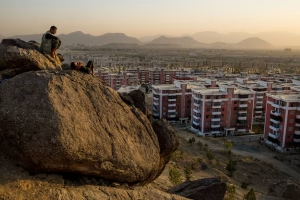
Kabul, Afghanistan (2024) Crossing the Torkham Border is one of the most searched and misunderstood land crossings in the region.
Traveling has been one of the most amazing experiences of my life, but I sometimes worry about safety, especially when staying in hostels.
When I first started staying in hostels, I couldn’t help but think of that scary movie Hostel and worry that something bad might happen—but I quickly learned how wrong I was.
The idea of sharing a space with strangers might seem a little creepy, but are hostels really unsafe, or is that just a common travel myth?
In this guide, I’ll share everything you need to know about staying safe in hostels, along with some handy tips to make sure your stay is both safe and fun.
Spoiler: No horror movie scenes here!
I’m a huge advocate for using Hostelworld. They have saved me from sleeping on the streets in many countries.
Answering Your Top Question:
Are there hostels with private rooms?
Yes, many hostels offer private rooms, which provide the social benefits of a hostel with the privacy of a hotel—something I’ve taken advantage of on solo trips. Sometimes I just need a break.
I like to think of a hostel as a college dorm without the expensive tuition, boring lectures, or those cliques you’d rather avoid.
A hostel is an inexpensive type of accommodation popular among young travelers, where you rent a bed rather than a private room.
Dorm sizes vary, with some holding as few as three beds and others accommodating up to 22. Hostels are known for creating a sense of community, allowing guest to meet and connect with other travelers from around the world.
As a seasoned traveler, I’ve bunked in more hostels than I can count—from the busy cities of Europe to the remote corners of South America.
Hostels are often my go-to choice because they’re inexpensive, super social, and give you the chance to meet people from every corner of the globe.
Where else can you have breakfast with an Australian, lunch with a Canadian, and dinner with someone from Brazil, all in the same day? Typically, hostels offer dorm-style rooms, shared bathrooms, and communal spaces that create a fun, interactive vibe.
But I get it—sharing space with a bunch of strangers can sound a little, well, questionable when it comes to safety.
That said, I’ve met some of the most interesting people in hostels—folks who’ve turned into lifelong friends, and yes, we still keep in touch (thanks, social media!).
Because trust me, the experience is worth it.
"Taking that first step, that first flight, first solo trip may seem scary, but it's those very first things that can potentially take you a thousand miles and places."
-The Bearded Backpacker Tweet
Not all hostels are the same, and the type of hostel you choose can significantly impact your experience and sense of security.
For example, party hostels are known for their lively atmosphere and often attract younger crowds eager to socialize and enjoy the nightlife.
While these hostels can be fun, the party vibe can sometimes lead to less vigilance regarding personal belongings, so I always make sure to secure my valuables before heading out.
Personally, I enjoy party hostels on occasion, especially when my social battery is at 100%.
If you’re seeking a more upscale experience, boutique hostels offer private rooms and higher-end amenities. In my experience, their security measures are typically more robust, making them an excellent choice if safety is a primary concern.
For those who value peace and quiet—like me after a long travel day—quiet hostels are an ideal fit. These hostels tend to attract more mature travelers and focus on providing a relaxing environment, which often contributes to a safer, more secure stay.
Eco-friendly hostels, which emphasize sustainability, are often located in remote or natural settings. I’ve noticed that safety measures can vary depending on the location, so it’s important to research thoroughly before booking.
Finally, chain hostels often have standardized safety procedures, making them a reliable choice. I’ve stayed at several chain hostels and appreciated the consistency in their security features.
When choosing a hostel, safety and a free breakfast are always top priorities for me. There are a few key features I consistently look for.
Lockers are a must-have, so I always opt for hostels that provide secure storage for valuables. I recommend bringing your own lock, as not all hostels supply one. This is the lock I use (make sure to remember your lock code).
Key card access is another feature I enjoy. Hostels with key card systems that restrict access to rooms and common areas make me feel more secure, knowing that only guests and staff can enter.
I also prefer hostels with 24/7 reception. It’s reassuring to know that staff are available at all times to assist with any issues, regardless of the hour. Especially, if I need a last- minute room change or upgrade.
Having security cameras in common areas and at entrances also makes me feel much safer. This adds an extra layer of security and helps deter potential thieves.
Lastly, the location of the hostel is crucial. I always ensure its well-connected to public transportation, which makes it easier to get around safely.
If you’re new here, I’m a solo traveler. However, in the past, I have traveled with groups of friends and stayed in hostels together. Whether you’re traveling solo or with a group, there are specific safety measures I take to ensure a smooth and secure stay:
Solo Travelers:
Group Travelers:
Hostel safety can vary depending on where you are, so it’s important to know what to expect.
From my travels, I’ve noticed that Europe usually has safe hostels, with many offering good security and modern facilities. However, busy cities like Barcelona and Rome have more issues with petty theft, so I’m extra careful in those places.
Thats just my take.
Countries in Western Europe, such as France, Germany, and the Netherlands, have well-regulated hostels that focus on safety. While theft isn’t a major concern, it’s still smart to use lockers, especially in larger cities where lots of people come and go. I had no issues here.
In Southern Europe—places like Spain, Italy, and Greece—popular tourist destinations like Barcelona, Rome, and Athens do experience more petty crimes, like pickpocketing. Even though these hostels typically have good security, I always keep a close eye on my belongings.
When traveling through Eastern Europe, including countries like Poland, Hungary, and the Czech Republic, hostels are generally safe, but some budget options might not have the best security. That’s why I always choose hostels with strong reviews in these regions.
Northern Europe, particularly Scandinavia and the Baltic states, offers some of the safest hostels, where theft is rare. These hostels are usually clean, well-maintained, and secure, making them a great choice for travelers.
In Asia, especially in countries like Japan and South Korea, these hostels tend to be some of the safest and cleanest. However, in some Southeast Asian countries, hostel quality can vary widely, so do thorough research before booking.
South America can be more unpredictable in terms of safety. I make sure to pick hostels with strong reviews from other travelers and take extra care not to leave my belongings unattended, particularly in areas with higher crime rates.
Hostels in North America, especially in the United States and Canada, generally have good security. Still, I always consider the safety of the neighborhood before choosing where to stay.
Finally, Australia and New Zealand, known for their strong backpacker culture, offer hostels that are generally very safe, making them reliable options for travelers.
Extra Tips for Staying Safe in Hostels:
Staying safe in a hostel isn’t just about picking the right place; it’s also about how you act while you’re there. I always make sure to respect quiet hours, which most hostels have. This isn’t just to be polite to other travelers, but because it helps keep the environment calm and safe. I’m careful to lock up my valuables, never leave my belongings unattended in shared spaces, and always use the lockers provided.
While it’s fun to make new friends, I’m careful not to share too much personal information with people I’ve just met. I don’t talk about my travel plans or where I’m staying if others are around. I believe that keeping everyone safe is something we all need to help with.
There are several misconceptions about hostel safety that can cause unnecessary worry. One common myth is that hostels are only for young, reckless travelers.
In reality, I’ve seen everything from families with kids to professionals and even older solo adventurers checking in. Hostels are often calm, quiet, and focused on keeping everyone safe—so no, it’s not just a 24/7 frat party.
Another misconception is that theft is rampant in hostels. Sure, theft can happen anywhere, but hostels with good security, like lockers and cameras, are just as safe as hotels.
With a few simple precautions, like locking up your stuff (you know, basic common sense), you can keep your things safe.
Then there’s the idea that hostels are dirty and unsafe. Honestly, many hostels are cleaner than my first apartment and have better security too.
I always check online reviews to find the best ones—because who has time for a messy, sketchy place?
And let’s not forget the myth that there’s no privacy in a hostel. While hostels are communal, many offer private rooms or cozy sections in dorms for those of us who value a little “me time.” Trust me, after sharing space with strangers, those private corners can feel like a luxury suite.
Hostels can be a great choice for travelers who want to meet new people, save money, and have cool experiences around the world.
By taking a few simple precautions—like picking a hostel with good safety features, following basic safety rules, and staying aware of what’s happening around you—I’ve been able to enjoy all the fun of hostel life without worrying about my safety.
So, are hostels safe? In my experience, the answer is yes—if you choose wisely and stay alert, a hostel can be a safe, affordable, and unforgettable part of your travel adventure. Just remember, a little common sense goes a long way—and don’t forget your lock!
After all, you wouldn’t leave your snacks unguarded, right?
Europe:
Asia:
South America:
Hi there! welcome to the blog! My name is Don, and I am the beard behind this site. My hope is to inspire you to rethink the how’s and why’s of travel, and the places we travel to. Whether it’s traveling on a budget, solo trips, backpacking journeys, I’ve got you covered. Since you have landed here, I am officially your personal travel guide. Uncovering travel tips, hacks, hidden destinations, and much more. Let's start this journey.

Kabul, Afghanistan (2024) Crossing the Torkham Border is one of the most searched and misunderstood land crossings in the region.

Traveling to Yemen is not something you do on impulse. It’s one of the most misunderstood places in the world,

Azadi Tower When I told people I was traveling to Iran, the reactions were instant. Silence. Concern. Then the questions.“Is

Sitting inside a traditional Libyan house with traditional Libyan clothes on. When I told people I was going to Libya,
Like this post? Pin it!
Just hover over the image and click the red save button.
RELATED POSTs

In this guide, I’m here to tackle those safety concerns head-on, bust some myths, and arm you with the tips you need to stay safe while soaking up everything hostels have to offer. Hostels are often my go-to choice because they’re inexpensive, super social, and give you the chance to meet people from every corner of the globe.

Welcome to the world of solo backpacking, where the journey is about more than just the destination. It’s about making the most of your resources, planning wise
If I ever feel uncomfortable, I trust my instincts. I speak to the hostel staff or consider moving to a different hostel or accommodation.
Subscribe now to keep reading and get access to the full archive.